EPDM rubber, developed in the 1960s, is a durable synthetic material made from ethylene, propylene, and diene monomer. As one of the most weather-resistant rubber polymer types, its unique composition enhances flexibility, resilience, and environmental resistance. Unlike natural rubber, EPDM withstands UV, ozone, and extreme temperatures, making it ideal for long-lasting applications.
EPDM rubber compounds are widely used in automotive, construction, and industrial applications due to their ability to endure temperature fluctuations, resist chemical exposure, and maintain flexibility over extended periods. From seals and gaskets to roofing membranes and weatherstripping, EPDM plays a vital role in industries where longevity and performance are critical.
Custom EPDM Rubber Compound Solutions for Demanding Applications
ALTTRAN develops custom EPDM rubber compounds engineered for industrial, automotive, construction, and specialty applications. Our formulations can be tailored for weather resistance, flexibility, heat performance, processing consistency, and long-term durability.
EPDM Rubber Compound Benefits
- Excellent resistance to UV, ozone, and outdoor weathering
- Reliable flexibility across wide temperature ranges
- Strong resistance to water, moisture, and environmental aging
- Formulations tailored to specific application and processing requirements
- Consistent batch-to-batch compound performance
Key Properties of EPDM Rubber
EPDM is valued for its resilience in harsh environments. Below are its key advantages and limitations:
- Highly Weather-Resistant – Withstands UV rays, ozone, and extreme weather.
- Flexible Across Temperatures – Performs from -60°F to 350°F without degradation.
- Water & Chemical Resistance – Ideal for seals, gaskets, and waterproofing.
- Durable & Long-Lasting – Retains elasticity over decades of use.
Limitations to Consider:
- Poor Oil Resistance – Degrades when exposed to petroleum-based fluids.
- Flammable – Not suited for high-heat applications.
- Weak Metal Bonding – Requires specialized adhesives for adhesion.
EPDM Rubber Compound & Its Applications
EPDM rubber formulations are tailored to meet the demands of diverse industries, from automotive to construction. By adjusting polymer blends, fillers, and curing agents, manufacturers optimize durability, flexibility, and resistance to harsh conditions.
Common Applications of EPDM Rubber Compounds
EPDM’s versatility makes it a preferred choice in multiple industries:
- Automotive – Essential for seals, hoses, and weatherstripping in high-heat conditions.
- Construction – Used in roofing, window seals, and waterproofing materials.
- Industrial – Ideal for gaskets, O-rings, and conveyor belts in chemical-heavy environments.
- Locomotive – Applied in flexible connectors and sealing components for extreme temperatures.
EPDM Rubber Formulation: Enhancing Performance
The performance of EPDM rubber is determined by its formulation, which involves selecting the right combination of polymers, fillers, curing agents, and additives to meet specific application requirements.
Key Components & Their Impact
| Component | Function | Impact |
|---|---|---|
| Base Polymer | Defines flexibility & durability | Influences weathering and lifespan |
| Fillers (e.g., carbon black, silica) | Strengthens & modifies elasticity | More filler = higher strength, less flexibility |
| Curing Agents (sulfur, peroxide) | Enables cross-linking | Sulfur = flexible; Peroxide = heat-resistant |
| Plasticizers & Oils | Improve flexibility & processing | Softer material, lower aging resistance |
| Antioxidants & Stabilizers | Prevent degradation | Protects against heat, oxygen & UV |
Optimizing EPDM for Specific Applications
- High-carbon black formulations improve abrasion resistance but reduce elasticity.
- Sulfur-cured EPDM is ideal for general applications, while peroxide-cured EPDM offers better heat resistance.
- Plasticizer adjustments can enhance flexibility, but excessive amounts may impact aging resistance.
How to Select an EPDM Rubber Compound for Your Application
Selecting the right EPDM rubber compound requires evaluating more than its general weather resistance. The appropriate formulation must account for the component’s operating environment, mechanical requirements, and manufacturing process.
For outdoor gaskets and weather seals, several performance factors should be considered:
- Environmental exposure: Determine how the compound will withstand prolonged UV, ozone, moisture, and changing weather conditions.
- Low-temperature flexibility: Confirm that the material remains flexible enough to maintain an effective seal at the lowest expected operating temperature.
- Compression performance: Evaluate compression set to determine how well the compound retains its elastic properties after prolonged compression.
- Heat resistance: Consider continuous and peak operating temperatures, along with changes in physical properties after heat aging.
- Fluid compatibility: Identify any oils, coolants, cleaning chemicals, or other fluids the component may encounter.
- Processing requirements: Ensure the compound is suitable for the intended molding, extrusion, or manufacturing process.
For example, an EPDM gasket used in an outdoor electrical enclosure may require a combination of weather resistance, low-temperature flexibility, and compression-set performance. A compound selected solely for hardness or weather resistance may not satisfy all these requirements.
Custom EPDM formulation allows manufacturers to adjust polymer grades, fillers, curing systems, and other ingredients to achieve the required balance of performance and processing characteristics.
ALTTRAN works with manufacturers to develop custom rubber compounds based on their application requirements, material specifications, and production needs.
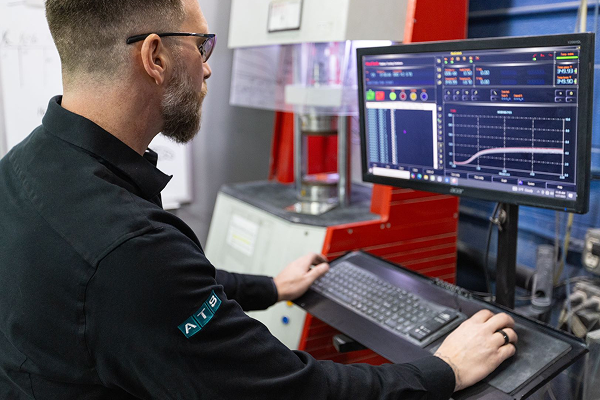
EPDM Rubber Testing: Ensuring Quality & Reliability
To ensure EPDM rubber meets performance standards, manufacturers conduct critical tests to evaluate strength, durability, and environmental resistance.
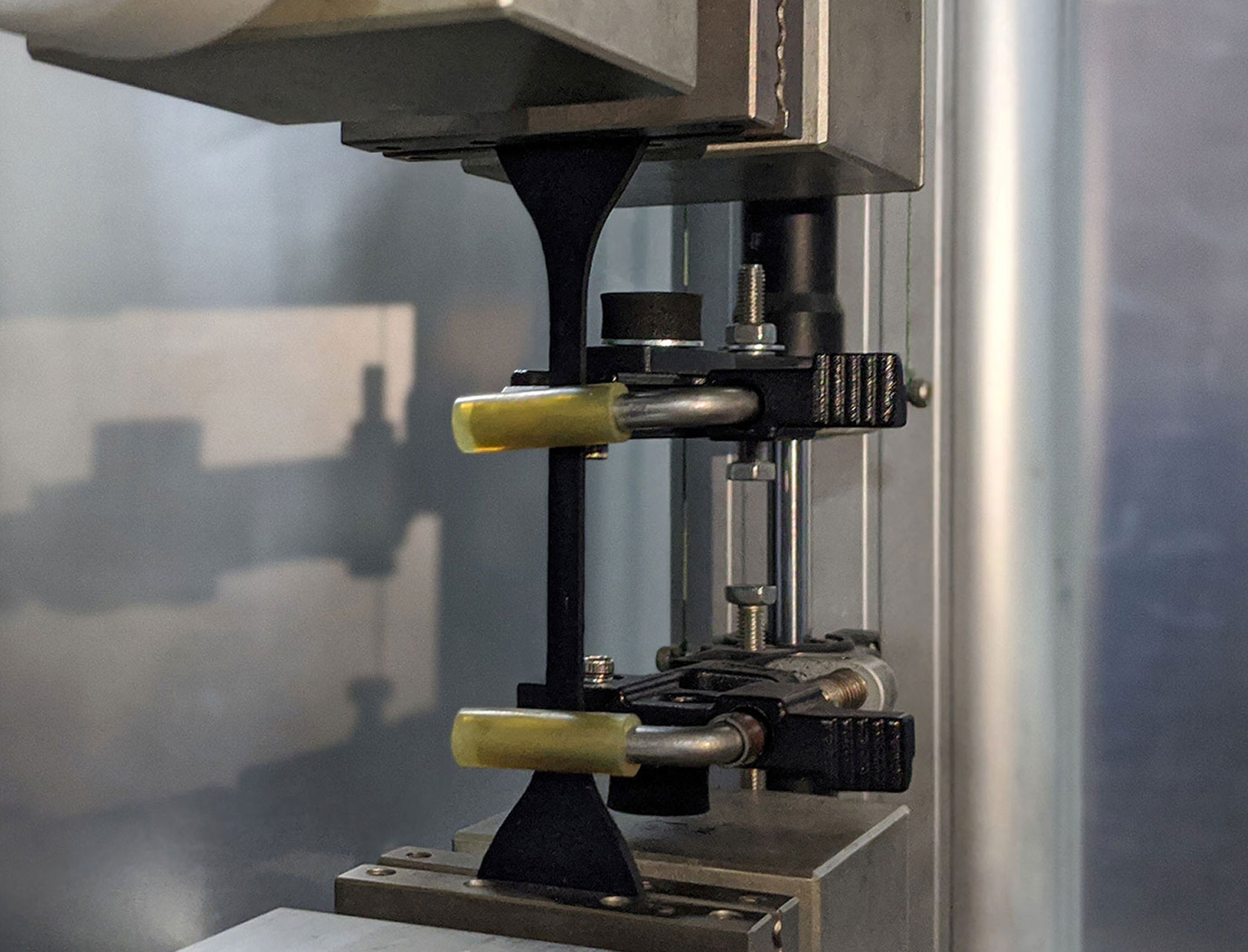
- Tensile Strength – Measures how much force EPDM can withstand before breaking.
- Elongation – Determines flexibility by measuring how far it can stretch before failure.
- Compression Set – Evaluates how well EPDM returns to its original shape after compression.
- Heat Aging – Tests long-term performance under high temperatures.
- Ozone & UV Resistance – Assesses resistance to cracking and weathering.
- Fluid Resistance – Confirms compatibility with oils, acids, and other chemicals.
Why Testing Matters:
- Ensures consistency and reliability across different batches.
- Identifies formulation adjustments for specific applications.
- Prevents premature failure in automotive, industrial, and construction uses.
For consistent results and certified quality, EPDM compounds should be validated through professional rubber testing labs that specialize in environmental and mechanical performance testing.
Why EPDM Rubber is a Smart Choice for Your Application
EPDM rubber is a durable, weather-resistant solution for demanding industries. Its ability to endure extreme temperatures, moisture, and chemicals makes it ideal for automotive, construction, and industrial applications. With the right formulation and rigorous testing, EPDM delivers long-term performance tailored to specific needs. Consulting with industry experts ensures the best compound selection for optimal results.