At Alttran, we specialize in custom rubber compounding and high-performance elastomers for demanding applications. When standard nitrile rubber cannot withstand harsh chemicals, high temperatures, or continuous friction, HNBR material offers a durable alternative. Hydrogenated Nitrile Butadiene Rubber (HNBR) provides enhanced resistance and performance for dynamic seals, drive belts, and heavy-duty gaskets, bridging the gap between traditional industrial rubbers and premium fluorocarbon compounds.
Standard nitrile features a vulnerable molecular backbone that degrades quickly when exposed to heat, ozone, and aggressive industrial fluids. The selective hydrogenation process saturates those weak carbon bonds with hydrogen, fundamentally altering how the polymer reacts to environmental stress. During our custom rubber mixing and compounding steps, we closely control several key formulation variables to tune the batch for its final application:
- Acrylonitrile (ACN) Content: Higher ACN percentages improve resistance to hydrocarbons, fuels, and oils. Lower ACN levels preserve low temperature flexibility. We help you select the exact baseline polymer split to balance these competing requirements.
- Saturation Level: Complete or near complete hydrogenation yields maximum heat and ozone resistance. Partial saturation leaves specific reactive sites available for peroxide or sulfur curing options.
- Filler and Plasticizer Selection: Incorporating specialized carbon blacks, silica, or custom plasticizers modifies the compound hardness, modulus, and processing characteristics during subsequent manufacturing steps like extrusion or molding.
A Guide to HNBR Material Properties
The primary reason engineers and buyers specify this polymer is its unique balance of physical endurance and chemical resistance. Because the hydrogenation process leaves the underlying polymer chains intact while shielding them from environmental degradation, our custom compounded batches deliver a reliable combination of strength and resilience.
The primary hnbr material properties that make this elastomer an industry standard include:
- Extended Thermal Thresholds: Components operate reliably at continuous temperatures from -30°C to 150°C, maintaining structural flexibility without hardening or cracking.
- High Tensile Strength and Hardness: The polymer showcases excellent tear strength, modulus values, and abrasion resistance, protecting dynamic components from rapid structural wear under physical load.
- Broad Chemical Compatibility: It provides exceptional defense against crude oils, sour gas, modern engine lubricants, aggressive oil additives, and ozone.
| Performance Metric | Standard Nitrile (NBR) | HNBR Material |
|---|---|---|
| Continuous Temperature Limit | 100°C | 150°C to 160°C |
| Mechanical Tear Resistance | Fair to Moderate | Outstanding |
| Ozone and Weather Exposure | Prone to degradation | Highly Resistant |
| Dynamic Wear Profile | Standard wear lifecycle | Highly Resistant to Abrasion |
Industrial Applications for Specialized Formulations of HNBR Material
Because of its structural durability, this elastomer serves as a critical baseline compound across several demanding industrial sectors where we routinely provide custom formulation support.
- Automotive and Transportation Systems: Chosen to produce heavy duty timing belts, dynamic shaft seals, power steering hoses, and air conditioning system O-rings that require long term dimensional stability in hot engine bays.
- Oil and Gas Exploration: Utilized for packers, blowout preventers, and specialized drill bit seals where downhole environments combine intense mechanical friction with exposure to sour gas, steam, and crude hydrocarbons.
- Heavy Industrial Machinery: Specified for gaskets and custom molded diaphragms in high pressure hydraulic setups and chemical processing systems to maintain a tight seal under constant structural cycling and pressure spikes.
Custom Mixing and Performance Testing Validation
Transitioning to a high performance polymer involves more than just selecting a base material. Achieving consistent parts performance requires precise raw material validation, custom formulation development, and targeted testing to verify that your specific compound matches your physical requirements or ASTM specifications.
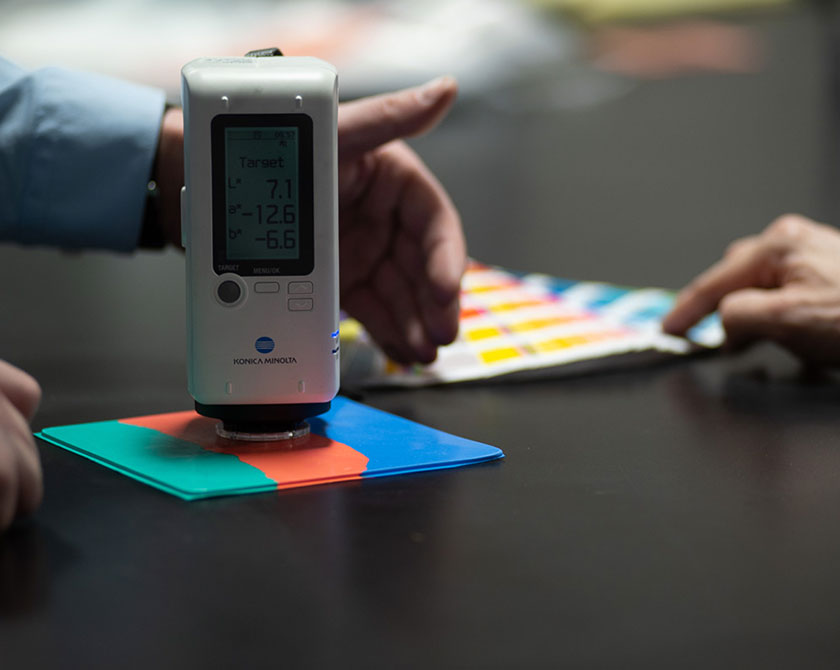
Through our advanced analytical testing, we verify precise filler ratios, polymer purity, and oil composition. Furthermore, utilizing our internal Moving Die Rheometer or a Rubber Process Analyzer ensures that the custom compound matches your required cure times, scorch safety windows, and processing characteristics for injection molding, extrusion, or calendering. By evaluating alternate raw materials and optimizing your cure profiles, we help you maximize part life, reduce processing scrap, and lower total production costs without sacrificing field reliability.
If you are ready to evaluate a custom rubber compound or optimize your current material specifications, reach out to our team.
Contact us today to discuss your next compounding project and ensure your components are built to last.