Styrene compound is a key raw material for producing styrene-butadiene rubber (SBR), a widely used synthetic elastomer. Known for its durability, cost-effectiveness, and versatility, SBR is commonly used in automotive tires, industrial belts, footwear, and other rubber products.
As industries continue to push the limits of performance, the demand for high-quality rubber compounds grows, and styrene rubber remains a key component in meeting these expectations.
What Is Styrene Rubber Made From?
Styrene rubber is created through the polymerization of two monomers: styrene and butadiene. This blend results in an elastomer that mimics some of the properties of natural rubber while providing superior abrasion resistance and more consistent performance in industrial applications.
The ratio of styrene to butadiene in a compound can be adjusted to influence the hardness, elasticity, and heat resistance of the final product. This makes the styrene compound highly customizable depending on the specific requirements of a project.
Properties of Styrene Rubber
The physical and chemical properties of styrene rubber make it ideal for a wide range of manufacturing needs. Key characteristics include:
- Excellent Abrasion Resistance – Extends the life of products exposed to friction, such as tires and conveyor belts
- Good Aging and Heat Resistance – Maintains elasticity and shape under high temperatures
- Custom Compound Design – Can be formulated with specific hardness, flexibility, or tensile strength
- Good Wet Traction – Common in tire applications where grip on wet surfaces is essential
- Superior Processability – Easy to mold, extrude, or calender in industrial settings
These benefits explain why styrene compound is a go-to choice for both standard and custom rubber applications.
Applications of Styrene Compound in Various Industries
Industrial Equipment
Heavy-duty applications like conveyor belts, vibration dampers, seals, and gaskets benefit from styrene compound’s toughness and consistent quality.
Consumer Products
From athletic footwear and shoe soles to rubber mats and sporting goods, styrene rubber is favored for products that require long-lasting flexibility and durability.
Adhesives and Sealants
Styrene compound is also used in pressure-sensitive adhesives due to its balance of tack, strength, and elasticity.
The Importance of Quality Rubber Compounding
To get the best results from styrene rubber, the compound must be precisely formulated. Rubber compounding involves selecting the right polymer blend, fillers, plasticizers, curatives, and other additives to meet performance requirements.
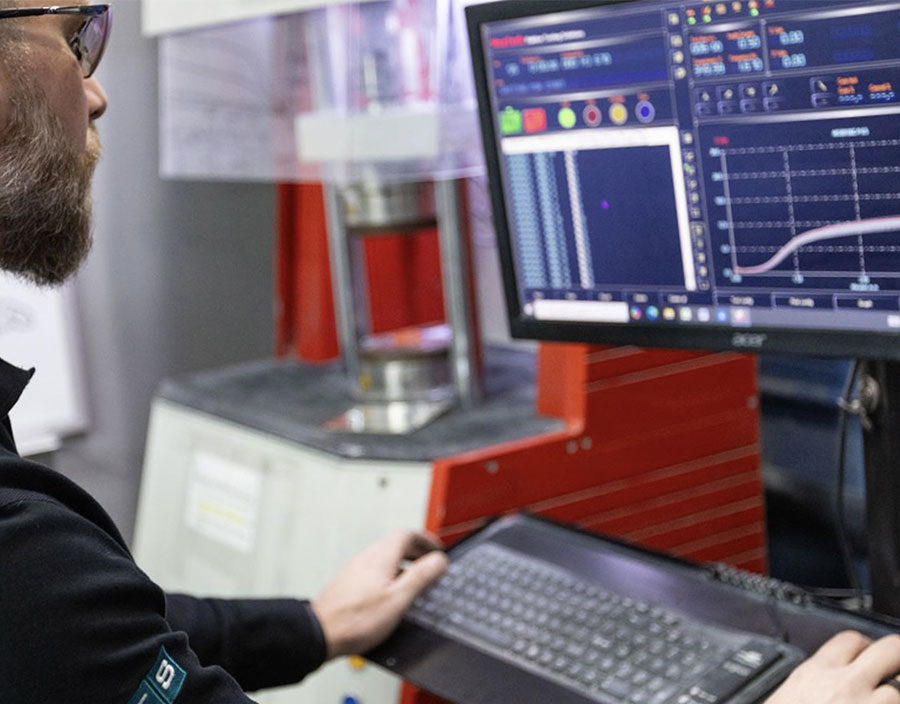
Leading compounders test styrene compound blends for:
- Tensile strength
- Tear resistance
- Aging under heat and ozone exposure
- Compression set and elongation
- Hardness and rebound resilience
When properly compounded, styrene rubber provides outstanding consistency in performance and product lifespan.
Why Choose Styrene Rubber Over Other Rubbers?
While natural rubber still plays a role in some industries, styrene rubber is often preferred for its:
- Lower cost
- Greater consistency in synthetic production
- Improved resistance to wear and environmental factors
- Easier processing in high-volume manufacturing
Because of these advantages, styrene compound is commonly chosen as a reliable alternative or supplement to natural rubber in many formulations.
Partner with an Expert in Styrene Compound Development
If your manufacturing process depends on rubber that offers strength, flexibility, and value, styrene compound is a trusted solution. A skilled rubber compounder can tailor styrene rubber to meet the specific demands of your application, whether for automotive, industrial, or consumer use.
Reach out to a trusted rubber compounding partner to explore how a customized styrene compound can improve product performance, reduce costs, and streamline your production process.